
Genuine Leather Biker Jackets: Quality, Care, Style
Style Insights for Active Buyers
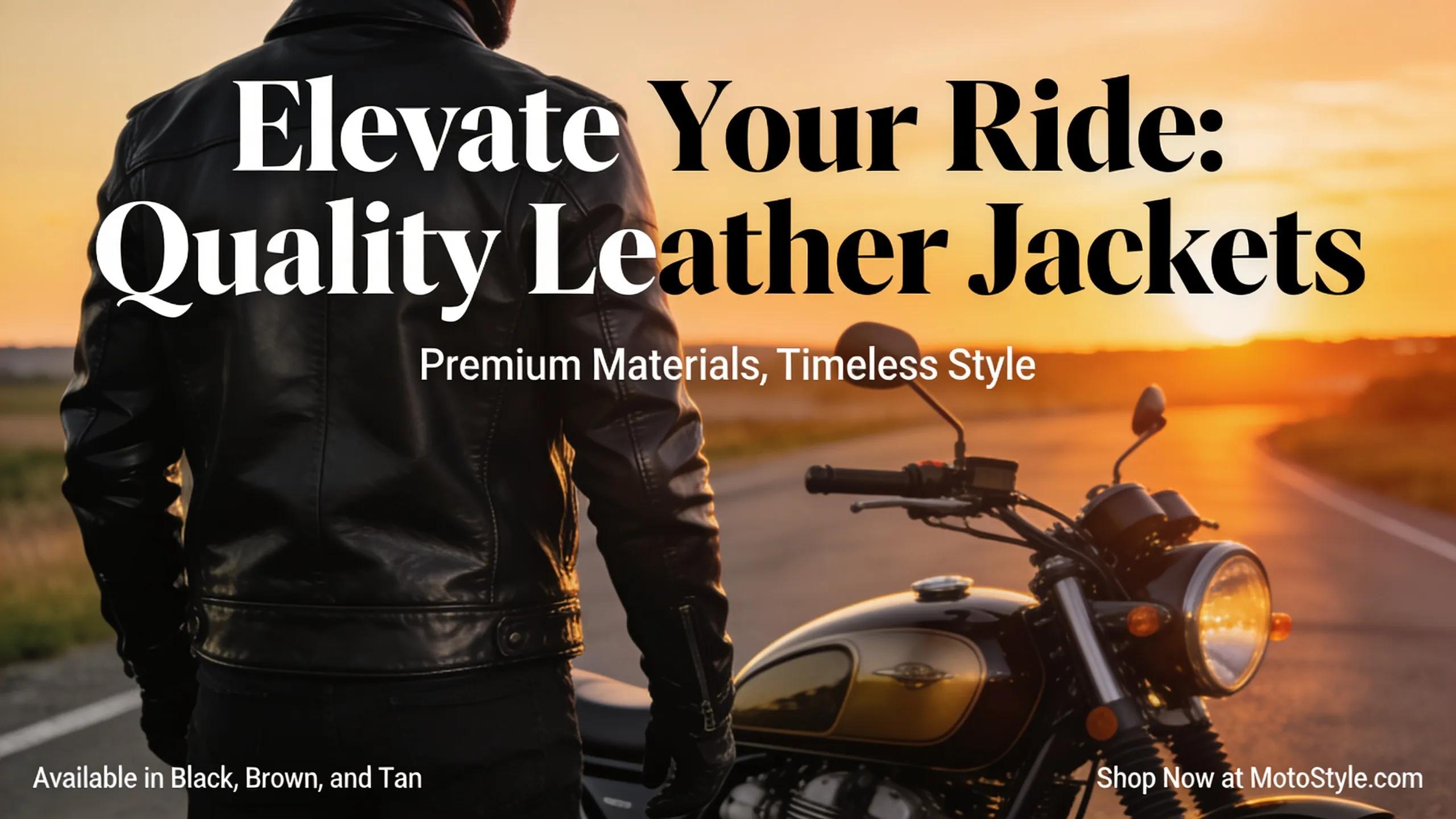
By Reed Leather,
Genuine leather biker jackets marry durable construction with purposeful design. This article summarizes the key quality markers, basic care steps, and styling points to help active buyers choose and maintain a jacket that delivers protection and lasting style.
Genuine Leather Biker Jackets: Comprehensive Guide
Made from natural hide, genuine leather jackets reflect deliberate craftsmanship and age to form a unique patina. When choosing a jacket, focus on leather grade, construction, and features that match your riding and lifestyle needs. Buyers seeking domestic production may look for Made in USA leather jackets.
Quality Characteristics:

Quality governs service life and protective performance. The following attributes indicate a well-made jacket.
Leather Type:
Full-grain leather is the most durable and develops a patina; top-grain is smoother and more immediately comfortable; synthetic options are cheaper but typically less long-lasting.
Construction Quality:
Look for reinforced stitching, sturdy zippers and snaps, and seams engineered to resist movement stress—these determine longevity and protective ability.
Design Features:
Function-oriented details—secure interior/exterior pockets, ventilation, and adjustable straps or zippers—improve usability and fit. The Reed Men's Naked Cow Leather Motorcycle Jacket Leather Jacket illustrates practical design.
Care Tips:

Regular, simple maintenance preserves appearance and performance. Apply the practices below to extend service life.
Cleaning:
Wipe dirt away with a soft, damp cloth and treat stains with a dedicated leather cleaner. Avoid harsh household chemicals that can strip finishes.
Conditioning:
Condition every 6–12 months with a quality leather conditioner to keep the hide supple and reduce cracking.
Storage:
Hang on a padded hanger in a cool, dry place away from direct sun; avoid tight compression that causes creases and deformation.
Avoid Excess Moisture:
Allow wet leather to air-dry naturally and avoid direct heat. For frequent exposure to wet conditions, consider a suitable waterproofing treatment.
Style Insights:
Leather biker jackets are versatile wardrobe pieces; concise styling choices keep them central to an outfit.
Layering:
Pair with breathable tees or lightweight knits in transitional seasons; add a slim hooded layer or scarf for colder weather without bulk.
Trends:
Classic lines remain popular; current preferences include oversized silhouettes and distressed finishes for a rugged, refined look.
Fit Considerations:
Choose a fit that permits movement without excess looseness—a tailored fit improves comfort while riding and looks cleaner off the bike.
Accessorizing:
Complement the jacket with denim and sturdy boots; belts, vintage sunglasses, or leather gloves add accents while keeping the jacket as the focal point.
Frequently Asked Questions
What is the difference between full-grain and top-grain leather?
Full-grain leather is the highest quality available, known for its durability and ability to develop a unique patina over time, which adds character. Top-grain leather, while still of good quality, is sanded and treated to remove imperfections. This makes it smoother and more comfortable initially but also less durable than full-grain. Both options have their benefits and suits different preferences in terms of aesthetics and usage.
How should I properly clean my leather biker jacket?
Maintaining your leather biker jacket involves gentle cleaning methods. Start by wiping off dirt and debris with a soft, damp cloth. For stains, use a cleaner specifically made for leather, as household chemicals can damage the finish. It's important to avoid soaking the leather; instead, treat it delicately to preserve its texture and appearance.
Can I wear my leather jacket in the rain?
While genuine leather can withstand some moisture, it is not entirely waterproof. If your jacket gets wet, allow it to air dry naturally, away from direct heat sources. For those who frequently ride in wet conditions, consider using a waterproofing treatment designed for leather to enhance its resistance to moisture damage.
What are some common features to look for in a biker jacket?
When shopping for a biker jacket, prioritize features that enhance functionality and comfort. Look for reinforced stitching, sturdy zippers, and secure pockets for personal items. Ventilation openings can provide breathability during rides, and adjustable straps or zippers help ensure a tailored fit that accommodates movement. These design elements contribute to both safety and wearability.
How often should I condition my leather jacket?
To maintain the suppleness and longevity of your leather biker jacket, conditioning every 6 to 12 months is recommended. Using a high-quality leather conditioner will help prevent cracking and dryness caused by environmental factors. Regular care ensures that the leather remains in good condition, enhancing its appearance and durability over the years.
Are there any specific storage techniques for leather jackets?
Proper storage is essential for preserving your leather jacket's shape and condition. Always hang it on a padded hanger to prevent stretching and creasing. Store the jacket in a cool, dry place away from direct sunlight, which can fade the leather. Avoid tight compression in storage, which can lead to permanent deformities in the material.
How do I choose the right fit for my leather jacket?
When selecting a leather biker jacket, aim for a fit that allows ease of movement without being overly loose. This ensures comfort while riding and a stylish silhouette off the bike. A tailored fit not only looks polished but also maintains functionality; try on various styles with layering in mind, considering what you’ll wear underneath.