
Reed® Leather: A Detroit Legacy Built on Craftsmanship Since 1950
Detroit's Legacy: Reed® Leather Jackets
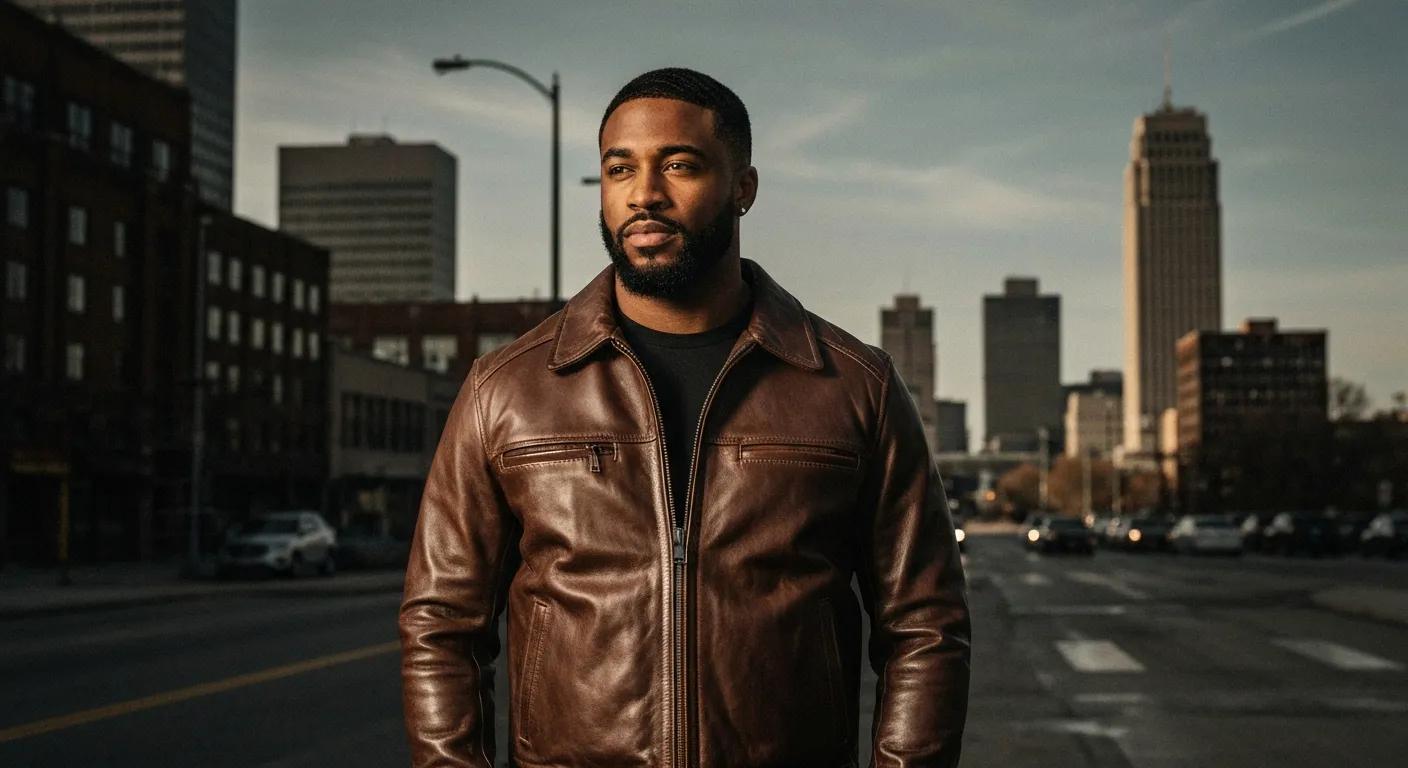
Reed® Leather traces a proud, focused lineage of American leather craftsmanship that began in Detroit in 1950. From a humble basement workshop to a nationally recognized heritage brand, Reed® continues to influence the modern leather outerwear market with durable construction, timeless styling, and hands-on American manufacturing.
This article explores how that Detroit heritage shapes today’s premium leather jackets—from material selection and handcrafting techniques to long-term care and Reed®’s expansion into modern direct-to-consumer channels. Readers will learn the founding story behind the brand, the step-by-step craftsmanship process used for American-made jackets, distinctions between motorcycle and varsity styles, and practical care routines that keep premium leather performing for decades. Blending history with buyer guidance, it serves as both a heritage overview and a resource for choosing high-quality American leather goods.
What Is the History Behind Reed® Leather and Its Detroit Roots?
Reed® Leather’s origin is grounded in postwar Detroit, where practicality, skilled handwork, and durable materials defined local manufacturing. The brand began in 1950, founded by Mr. Silver and Mr. Reed, who started sewing jackets from a Detroit basement. Their hands-on approach formed a maker-first ethos: tough outerwear, fitted sportswear, and construction methods built for longevity.
This Detroit beginning reflects the broader story of the city’s industrial identity—small workshops refining traditional skills into reliable product lines. Understanding this history explains why Reed® Leather still emphasizes heritage design cues, functional durability, and American workwear values shaped by mid-century Detroit.
Who Founded Reed Sportswear and How Did Their Legacy Begin?
Reed Sportswear was established in 1950 by Mr. Silver and Mr. Reed. Working in close quarters allowed them to personally cut patterns, stitch seams, choose hardware, and oversee every detail. That grassroots environment created a brand centered on resilience and utility—values that continue to influence Reed® Leather’s commitment to American-made craftsmanship.
Their workshop mentality was simple: make garments that last. Their legacy lives on in Reed’s signature focus on function, fit, and honest construction.
How Has Reed Leather Contributed to Detroit’s Industrial and Fashion Heritage?
Reed® Leather became part of Detroit’s fashion and manufacturing landscape by preserving traditional leathercraft jobs and producing garments that reflect the city’s utilitarian design language. While many apparel companies outsourced production, Reed® remained rooted in local craft, helping keep skilled trades alive.
Through durable outerwear, classic silhouettes, and long-running product lines, Reed® Leather has contributed to Detroit’s material culture and reinforced the city’s identity as a place where strong, thoughtfully made goods come from hardworking hands.
Why Are Reed Leather Jackets Recognized as Premium American-Made Products?
Reed® Leather jackets earn their premium reputation through a combination of:
• Material Selection
Only high-quality cowhide, lambskin, and full-grain leathers are used.
• Domestic Manufacturing
Made in USA production provides tighter oversight, ensuring consistent fit and finish.
• Union Labor
Union-made construction reflects standardized training and ethical labor practices, improving durability and reliability.
• Industry Recognition
Reed® Leather received the American Designer Award from the Leather Industries of America, reinforcing its craftsmanship credibility.
These pillars distinguish Reed® Leather from mass-produced alternatives and help customers evaluate heritage American leather brands based on workmanship and origin.
What Do “Made in USA” and “Union Made” Mean for Reed Leather?
For Reed® Leather, these labels represent more than location—they indicate quality, traceability, and respect for skilled labor.
Made in USA ensures:
-
Controlled assembly
-
Accurate pattern work
-
Strict finishing and inspection
Union Made means:
-
Workers trained in standardized craft methods
-
Consistent stitching and reinforcement techniques
-
Ethical labor and fair working conditions
Together, they increase the likelihood of receiving a jacket that lasts for years and ages beautifully.
How Does Reed Leather Balance Heritage with Modern Design?
Reed® Leather preserves its lineage by maintaining classic construction techniques—hand stitching, reinforced stress points, and heavy-duty hardware—while updating silhouettes, linings, and fits for modern lifestyles.
This balance allows Reed® to offer jackets that look authentically vintage yet function comfortably for daily wear. The result is a product that respects history but fits today’s movement, layering, and urban versatility.
What Makes the Reed Leather Craftsmanship Process Unique?
Reed® Leather’s jacket-making process combines heritage techniques with modern precision. Each garment follows a controlled sequence:
1. Pattern Making
Defines fit, panel shape, and efficiency of hide usage.
2. Cutting
Skilled cutters use templates to avoid imperfections and maximize leather yield.
3. Skiving
Edges are thinned for smoother seams and less bulk.
4. Stitching & Reinforcement
A mix of hand and machine techniques secure panels, strengthen stress points, and improve wear resistance.
5. Hardware Installation
Heavy-duty snaps, zippers, and rivets are mounted for strength and longevity.
6. Finishing & Inspection
Edges are treated, leather is conditioned, and each jacket is thoroughly inspected before release.
This process allows Reed® to match each hide type—cowhide, lambskin, or full-grain leather—to its optimal purpose.
Materials Used in Reed Leather Jackets
Cowhide
Thick, durable, and abrasion-resistant—ideal for motorcycle and rugged outdoor styles.
Lambskin
Soft, lightweight, and fine-grained—great for bombers and fashion-forward jackets.
Full-Grain Leather
Uncorrected surface with natural markings; forms the richest patina over time and offers exceptional longevity.
What Are the Key Steps in the Detroit Handcrafted Jacket Process?
-
Pattern & Cut — Accuracy ensures consistent fit and minimal waste.
-
Edge Skiving — Refined seams and reduced bulk for comfort.
-
Reinforced Stitching — Strategic reinforcement improves structural integrity.
-
Hardware Attachment — Heavy-duty components ensure long-term reliability.
These steps form the core of Reed’s craftsmanship identity.
What Are Reed Leather’s Iconic Product Lines?
Motorcycle Jackets
-
Thick cowhide
-
Reinforced seams
-
Heavy hardware
-
Designed for protection and durability
Varsity Jackets
-
Leather sleeves
-
Structured wool or melton bodies
-
Heritage-inspired trims
Rugged Outerwear
-
Layer-friendly patterns
-
Weather-resistant finishes
-
Functional pockets and workwear features
What Makes Reed’s Motorcycle Jackets Stand Out?
Reed’s motorcycle jackets excel in:
-
Material Thickness (abrasion resistance)
-
Construction Strength (double stitching + reinforcements)
-
Heavy Hardware (zippers, snaps, rivets built for decades of use)
-
Rider-Focused Patterning (mobility without losing coverage)
They combine heritage looks with rider-ready functionality.
How Do Reed’s Varsity Jackets Reflect Detroit’s Leather Tradition?
Reed® varsity jackets blend mid-century American sportswear with Detroit craftsmanship. Leather sleeves, durable bodies, ribbed trims, and high-wear reinforcements create jackets that are both nostalgic and rugged.
As durable as they are iconic, these jackets develop character through years of wear—staying faithful to Detroit’s tradition of practical, long-lasting apparel.
How Can Customers Care for and Preserve Their Reed Leather Jacket?
Caring for premium leather requires consistent, gentle routines:
Daily Habits
-
Air garment after wear
-
Avoid folding to prevent creasing
Annual Maintenance
-
Condition with neutral leather conditioner
-
Inspect seams and edges
When Damage Occurs
-
Seek professional repair for tears or hardware issues
Storage
-
Use wide wooden hangers
-
Store in breathable garment bags
-
Keep away from heat sources
Proper care enhances longevity, preserves natural oils, and encourages a rich patina.
How Does Proper Care Improve Durability and Style?
Well-maintained leather:
-
Retains essential oils
-
Prevents cracking and seam stress
-
Develops a deeper, more attractive patina
-
Reduces need for major repairs
The result is a jacket that ages beautifully and delivers long-term value.
What Is Reed Leather’s Future in the American Leather Goods Market?
Reed® Leather’s future is rooted in maintaining American-made, union-made craftsmanship while expanding its reach through modern direct-to-consumer channels. This allows the brand to:
-
Control the customer experience
-
Share its heritage story more effectively
-
Adjust inventory with greater precision
-
Reach new customers without compromising authenticity
Heritage and modern accessibility now work together to strengthen Reed® Leather’s position in the premium leather market.
How Is Reed Leather Expanding Through Direct-to-Consumer Channels?
The brand’s DTC expansion focuses on:
-
Personalized customer support
-
More detailed craftsmanship storytelling
-
Better inventory transparency
-
Partnerships that complement DTC strategies
This blended approach keeps Reed® accessible while preserving its handcrafted identity.
What Awards Validate Reed Leather’s Industry Leadership?
Reed® Leather has been honored with the American Designer Award from the Leather Industries of America, a respected indicator of excellence in design and craftsmanship. This recognition reinforces the brand’s authenticity and leadership in American-made leather outerwear.
Frequently Asked Questions
What types of leather are used in Reed jackets?
Cowhide, lambskin, and full-grain leather—each chosen for its unique performance characteristics.
How does Reed ensure quality?
Through a meticulous, artisan-driven process with strict quality control at every stage.
Why choose Reed over mass-produced jackets?
Superior materials, handcrafting, Made in USA production, and heritage authenticity.
What should customers consider when selecting a jacket?
Intended use, leather type, fit, and product line features.
How can customers communicate needs when ordering?
By specifying style preferences, sizing, intended use, and any customization options.
What role does sustainability play?
Durable materials, ethical American labor, and long-lasting construction support a more sustainable apparel lifecycle.